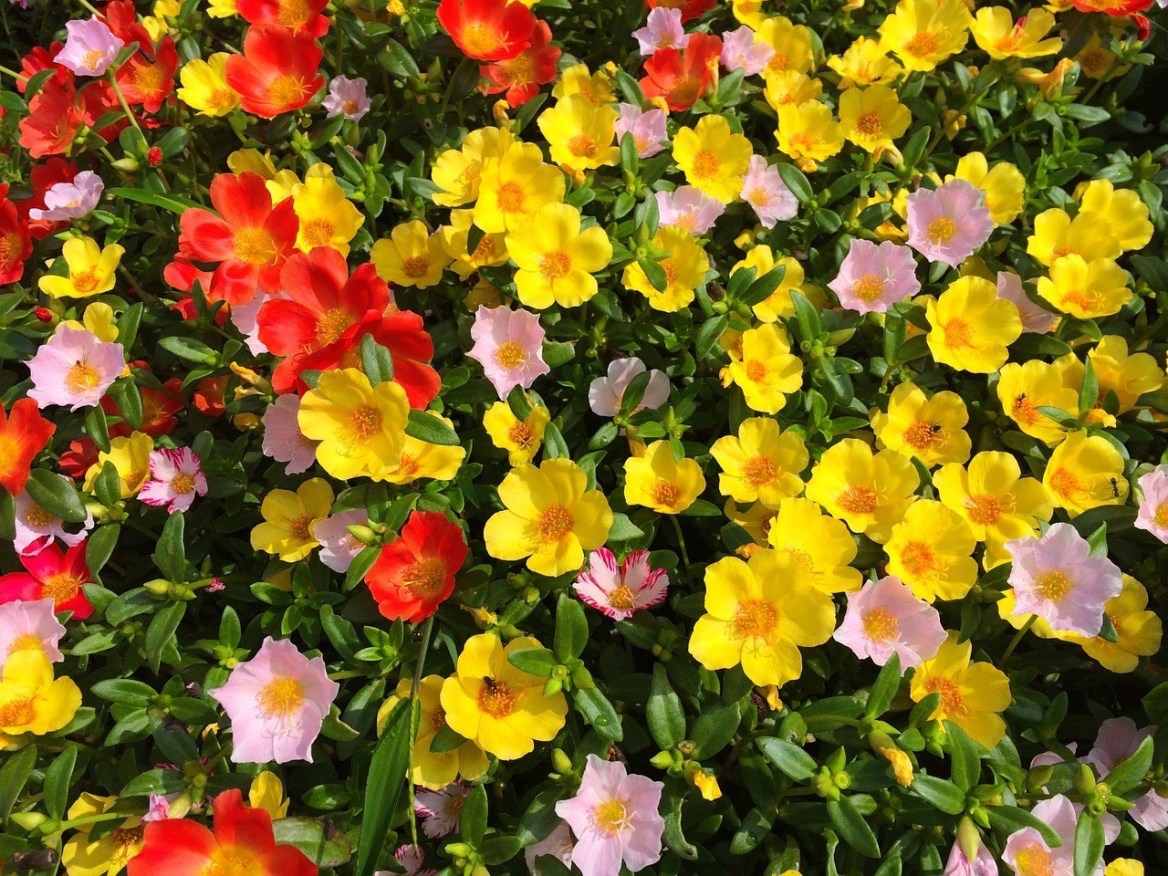
気が付けば ひと夏咲いてた ポーチュラカ

Portulaca, whose Japanese name is Hanasuberihiyu, continues to bloom throughout the summer without withering even in the hot summer. It is widely used as a standard summer flowerbed without any care. It is said that it came into Japan from Germany in 1983, and it spread all at once with the 1990 Osaka Flower Expo. It is the same group as Suberihiyu that can be seen in the weeds of the field. The members of Suberihiyu family have a high nutritional value and are used in foodstuffs. Among them, it contains a lot of “omega-3 fatty acids” (DHA, EPA) often found in supplement advertisements.

ポーチュラカは和名をハナスベリヒユと言い、夏の炎天下でもめげずに夏中咲き続ます。手間要らずで夏花壇の定番として普及しています。日本には1983年にドイツから入ってきたとされ、1990年の大阪花博がきっかけで一気に広がりました。畑の雑草に見かけるスベリヒユと同じ仲間です。スベリヒユ科の仲間は栄養価が高く食材にも使われます。中でも、サプリメントの広告によく出てくる「オメガ3脂肪酸」(DHA、EPA)がたくさん含まれています。
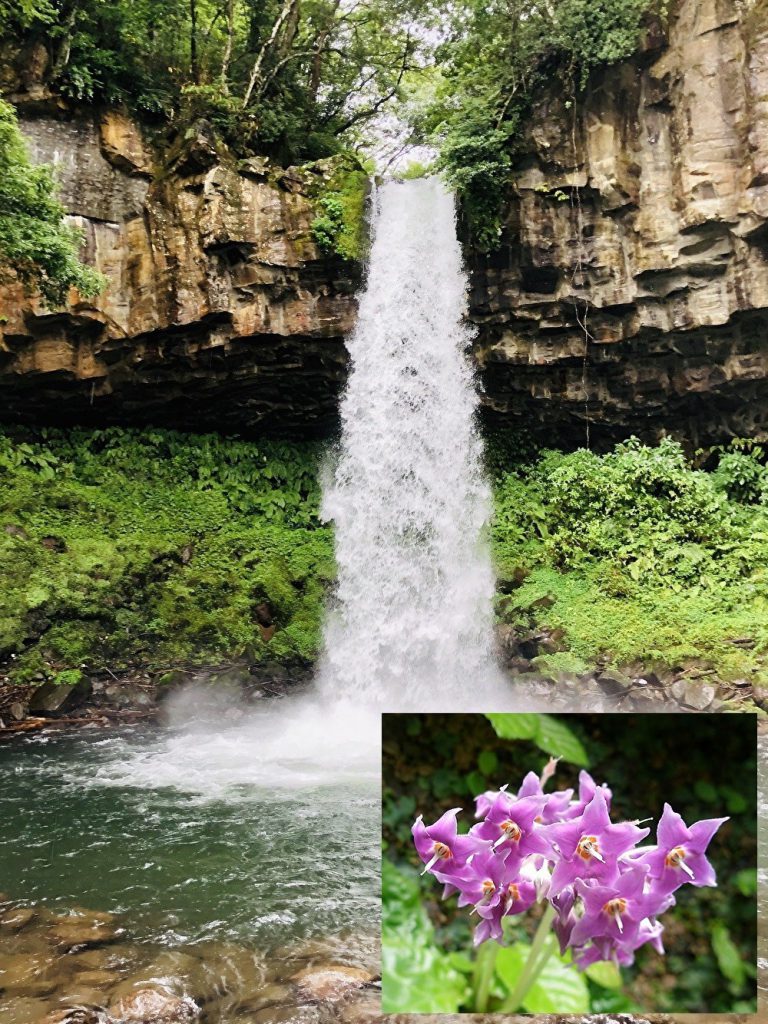
滝しぶき 浴びて涼しや イワタバコ

If you trace the Jizodo River, which is a tributary of the Kano River, which has its origin at the northern foot of Mt. Amagi, you will find “Manjo Falls.” It is a waterfall with a height of 60 m and a width of 6 m that flows down between the columnar joints. Pretty pink flowers bloom among the mossy rocks near the waterfall, which is cool even in summer. It’s Iwatabako. It’s a “cool” figure as the flower language says. This name is given because the leaves are similar to cigarettes. Among the sound of the waterfall roars, I can hear the voice of Higurashi. There is no one around there and I feel the arrival of autumn.

天城山の北麓を源流とする狩野川の支流である地蔵堂川を遡ると「万城の滝」があります。柱状節理の間から流れ落ちる、高さ60m、幅6mの滝です。夏でも涼しい滝の近くにピンク色の可愛い花が、苔むした岩の間に咲いています。イワタバコです。花言葉通りの涼しげな姿です。葉っぱがタバコに似ているのでこの名が付きました。滝の音が轟くのに混じってヒグラシの声が聞こえてきます。人気もなく、一足早い秋の訪れを感じます。

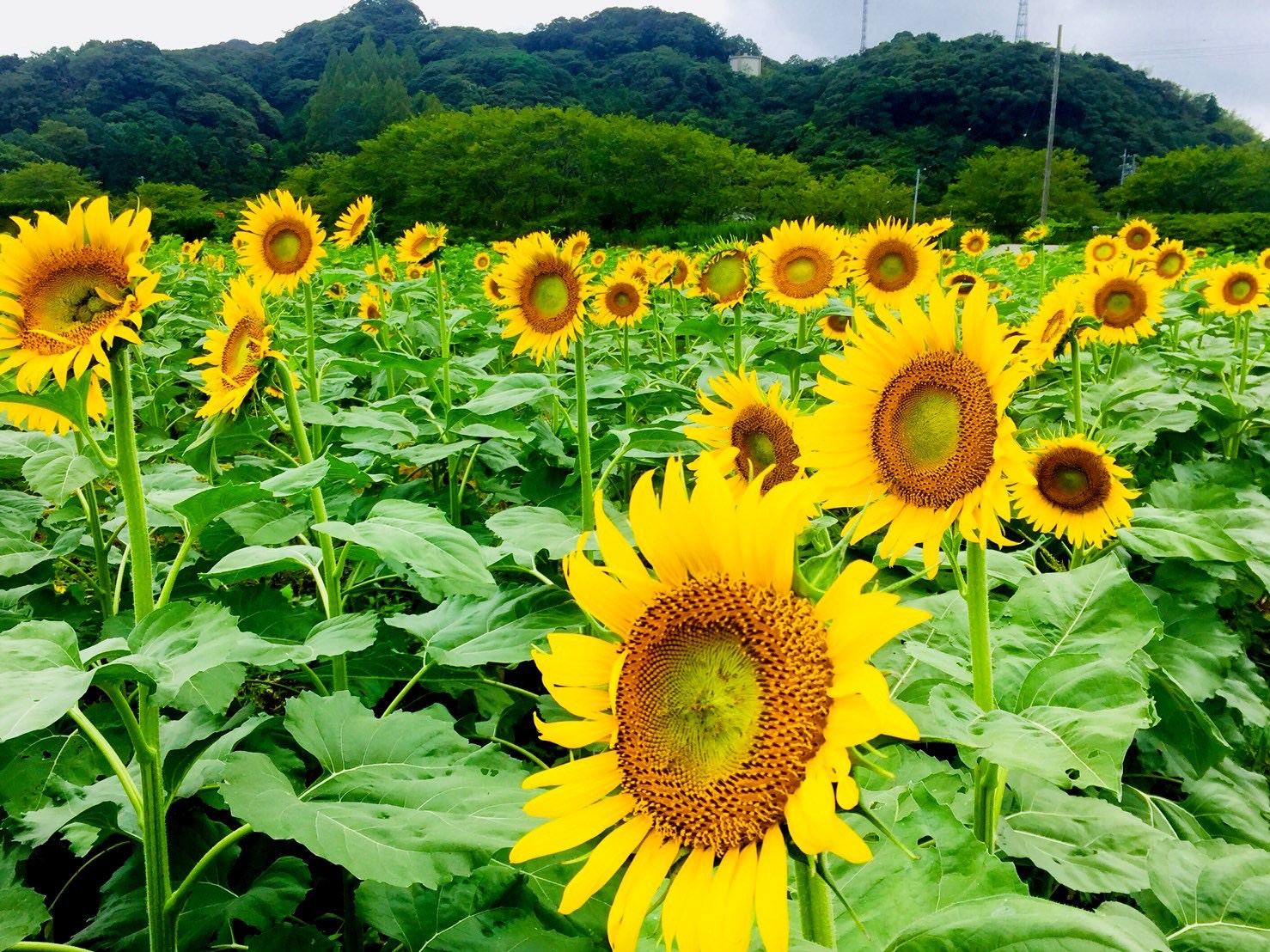
ヒマワリに 去り行く夏の 思い込め

After all, a summer flower is sunflower. Every sunflower continues to bloom all summer from start to finish, such as one sunflower that stands up straight on the side of the field or sunflowers that bloom as far as you can see. They are simple and powerful and cheer us up to overcome together the heat days. Recently, there are sunflower fields all over the country and various events are being held as part of village and town revitalization and disaster recovery activities. If you don’t see sunflowers, it’s already autumn. Now, I am spending the late summer looking back at this summer together with sunflowers.

夏の花と言えばやっぱりヒマワリです。畑の側にすっくと立つ一本のヒマワリ。見渡す限り咲くヒマワリ。一夏を初めから終わりまで咲くヒマワリは素朴で力強く、共に酷暑を乗り越えようと励ましてくれます。最近は、村おこし・町おこしや、災害からの復興活動として、全国にヒマワリ畑があり、様々なイベントも開催されています。ヒマワリを見かけなくなれば、もう秋です。去り行く今年の夏を共に偲ぶこのごろです。

名残惜し この夏綴った 花日記

It is forecast that it will be the peak of heat today. In the early morning walk, I heard the first cricket crying. I have been thinking that the other day the long rainy season was over and the summer has begun, but it will be autumn soon. I’m just amazed at how quickly time passes. This year has been a pandemic of a new coronavirus infection, a summer we have never experienced before. We still haven’t found a way to solve it, and I’m worried that the infectious disease will spread further in the fall and winter. The flowers that have been blooming all summer are changing to autumn. This year was not a bright and open summer, but it was a memorable summer.

今日が暑さのピークと言う予報。早朝散歩で一番コウロギの鳴く声を聞きました。ついこの間長い梅雨が明け夏が始まったと思っていたら、もう間もなく秋です。月日の経つ早さに只々驚くばかりです。今年は新型コロナウイルス感染症のパンデミックで経験したことのない夏になりました。いまだに解決の糸口も見つからず、このまま秋を迎え、さらに冬に入ると、感染症がさらに広がらないかと心配になります。夏中咲き続けた花々も秋の装いに変わりつつあります。明るくて開放的な夏ではありませんでしたが、名残惜しく、記憶に残る夏になりました。

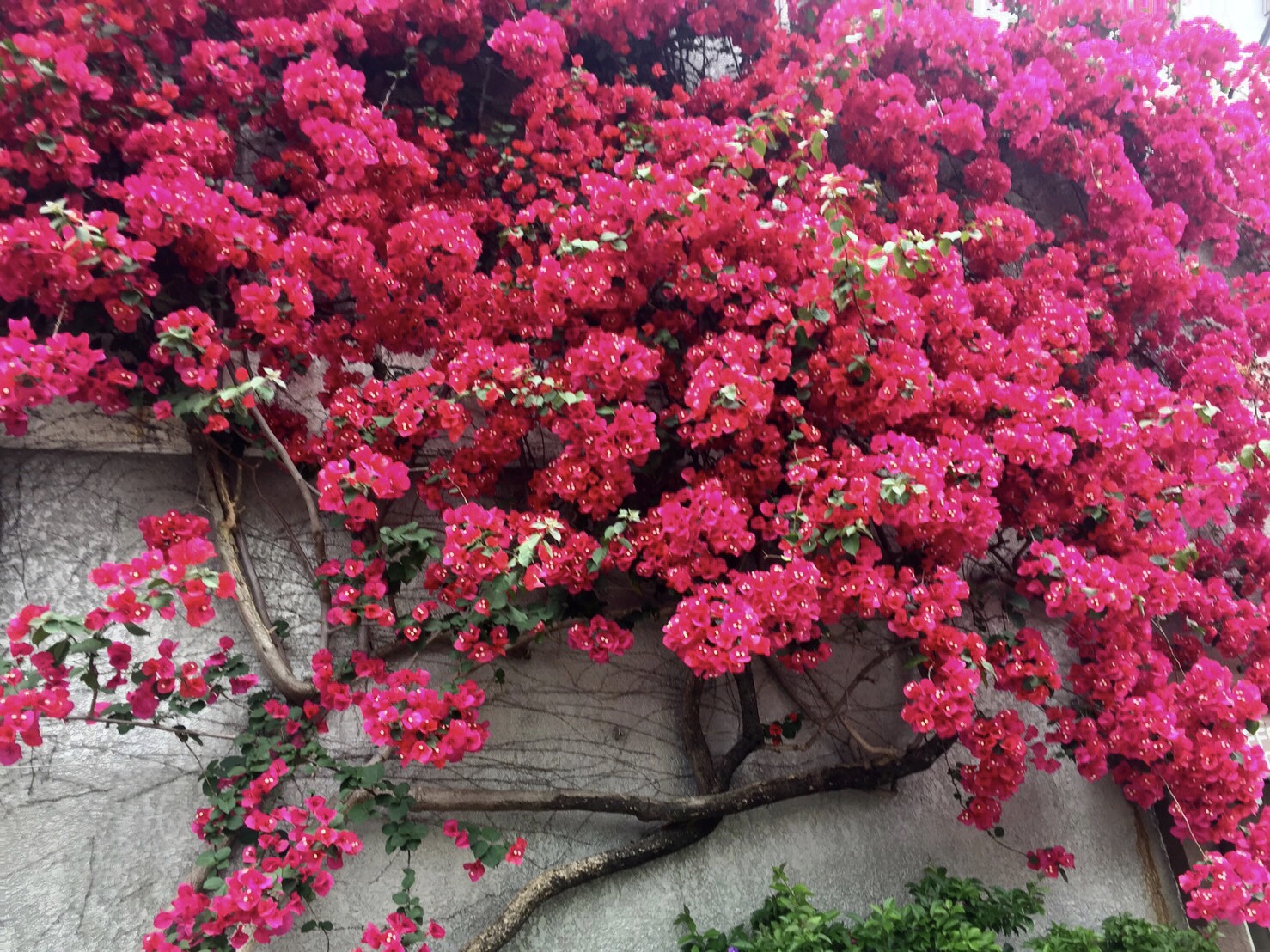
残照に ブーゲンビリアが なお赤く

Immediately after the end of the war, today, on August 20, in Karafuto, nine Maoka Post Office telephone operators killed themselves after continuing to report the situation of the Soviet invasion by telephone. At that time, the telephone played an important role as a means of quickly transmitting information, and the telephone operator was a star occupation for women. The duty was heavy, and she was always tense, but during the lunch break, everyone returned to a normal girl and enjoyed chatting. However, right after the end of the war, the Soviet army suddenly invaded Karafuta and the pleasant time was suddenly cut off. Two days later, Soviet troops landed in Maoka. Nine exchangers said, “This is the last report for you . Goodbye, goodbye.”, drunk potassium cyanide and killed themselves.

終戦直後の今日8月20日、樺太で、真岡郵便局の電話交換手9人が、ソビエト軍の侵攻の状況を電話で伝え続けた後、自ら命を絶ちました。電話は当時、情報をいち早く伝える手段として重要な役割を果たしていて、電話交換手は女性たちにとって、花形の職業でした。その責務は重く、常に緊張を強いられましたが、昼休みだけはみんな普通の女の子に戻り、おしゃべりを楽しんだそうです。しかし終戦直後、ソビエト軍が樺太に侵攻し、楽しい時間は突然断ち切られました。その2日後、ソビエト軍が真岡に上陸。交換手達9人は「みなさんこれが最後です。さようなら、さようなら」と告げ、青酸カリを飲んで自ら命を絶ちました。

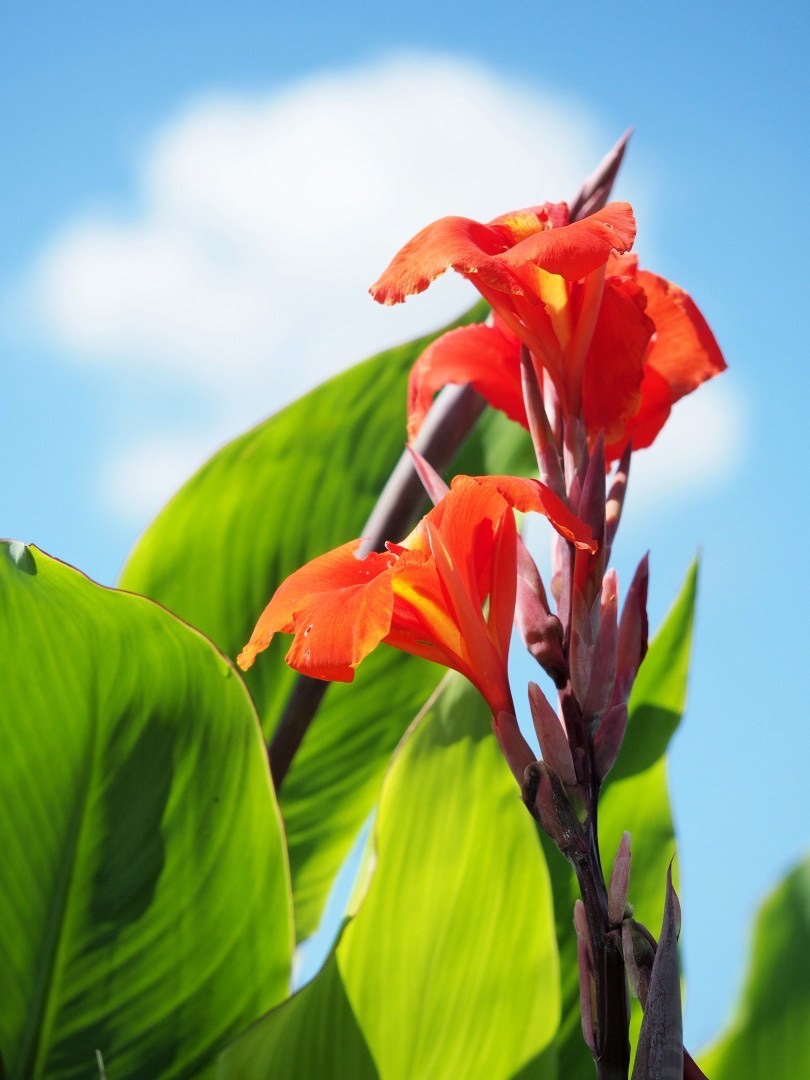
照りつける 陽にもめげずに カンナ燃ゆ

In Japan, the hot weather around 40℃ continued every day, and the other day, the highest temperature in Japan was 41.1℃ in Hamamatsu City, Shizuoka Prefecture. On the other hand, turning to the world, California on the west coast of the United States recorded a temperature of 54.4°C, which was even higher than Hamamatsu City, on the 16th, and was the third highest temperature in the world. Meanwhile, the canna planted in a corner of an abandoned house nearby is imposingly in bloom. The origin of Canna is said to be North America, so I’m quite convinced.

日本では連日、40℃前後の猛暑が続き、先日は静岡県浜松市で41.1℃の日本の最高気温を記録しました。一方目を世界に転じてみると、アメリカ西海岸のカリフォルニア州では16日、これを大きく上回る54.4℃を記録し、観測史上世界で3番目に高い気温となりました。そんな中、近くの廃屋の片隅に植えられたカンナが、きりりとした姿で咲いています。カンナの原産地は北アメリカと言うそうですから、なるほどと納得した次第です。

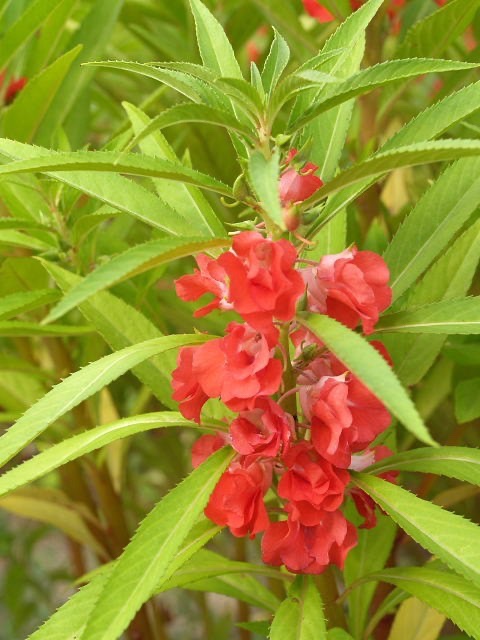
打ち水に ぷるっと震える 鳳仙花

♭♭♭ https://bit.ly/3h5mPyG ♭♭♭

Housenka have almost disappeared recently. Hosenka that was planted in the eaves grows taller at the end of summer, and the length of the shadow makes us feel the arrival of autumn. Speaking of Housenka, I remember the song by Tokiko Kato. It is both an enka style and a nursery rhyme style and I listen to this song, the scene of the Housenka blooming at the end of summer is reminiscent. As I learned later, the original song is a Korean song by both the songwriter and the composer, and it is said to be a national treasure class, familiar in both the north and the south Korea. In the complex history from the past to the present, it seems that the song, the songwriter and the composer were at the mercy, but the work has neither the right nor the left. No matter who listens, there is something that makes everyone heart one. If this heart is cherished, no conflict can occur.

鳳仙花も最近はすっかり見かけなくなりました。昔は軒先に植えられた鳳仙花が夏の終わり頃になると背も高くなり、その影の長さから秋の訪れを感じ取ったものです。鳳仙花といえば加藤登紀子さんの歌を思い出します。演歌風でもあり、童謡風でもあり、夏の終わりに咲く鳳仙花の情景が彷彿としてきます。後で知ったのですが、原曲は作詞作曲とも朝鮮人で、南北を問わず親しまれ、国宝級とまで言われているほどの歌だそうです。過去から今に至るまで複雑な歴史の中で、歌も作詞者も作曲者も翻弄された感がありますが、作品には右も左もありません。誰が聞いても心が一つになるものがあります。この心こそ大切にすれば争いが起こるはずがありません。

この夏は コロナや猛暑日 あったけど

Come to think of it, this summer is an abnormal summer. First of all, the movement of all over Japan has stopped due to the influence of the new coronavirus. In the usual year, the Shinkansen is full and the highway is heavily congested during the Obon holidays, but this year it is rattled. The sea, mountains, and resorts are quiet. It’s a series of hot days as if to hunt it down.. It seems that such a situation has become common and people no longer feel any abnormalities. What do you think of when you look back this summer in the future? However, even in such a summer, if you think that it will soon pass, you will also remember a loneliness.

今年の夏は、考えてみれば、異常な夏です。まずなんといっても、新型コロナウイルスの影響で日本国中の動きが止まってしまったこと。例年なら、お盆休みには新幹線は満員、高速道路は大渋滞ですが、今年はガラガラ。海も山も行楽地も閑散としています。それに追い討ちをかけるように連日の猛暑。こんな状態が常態化してしまって人もさほど異常も感じなくなってしまっている様子。将来、この夏を思い出した時、何を思い出すのでしょう。しかし、こんな夏でも、もうすぐ過ぎ去るのかと思えば、一抹の寂しさも覚えます。

連日の 猛暑もなんの 稲穂かな

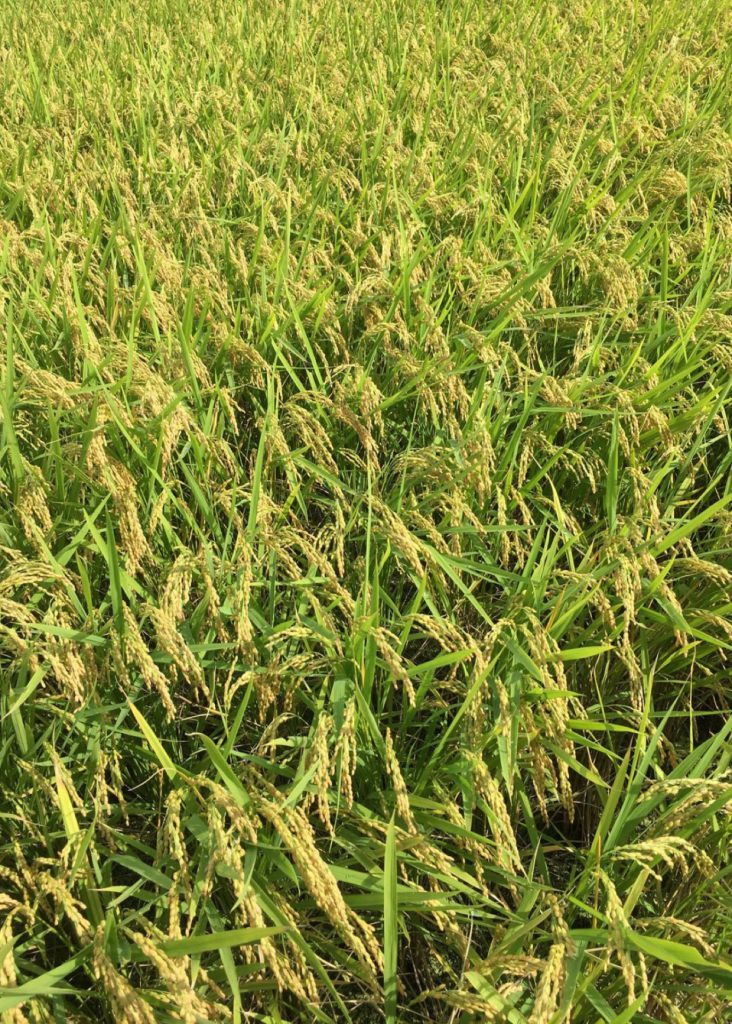
Wheat, soybeans and rice are said to be the world’s three largest grains. Among them, wheat is the staple food of the west and rice is the staple food of the east. It’s said that rice came to Japan in the late Jomon period from the Korean Peninsula or around the Yangtze River in China to Kitakyushu. Approximately 2,000 years ago, in the middle of the Yayoi period, rice seems to have been made even in the northernmost part of Honshu (now in Aomori prefecture). Hokkaido was the latest, and it was finally made in the Meiji era. Currently, each Japanese person eats about 62 kg of rice per year, but till about the 1940s, about 100 kg per person was eaten. The three major grains are mainly composed of carbohydrates as an energy source, but rice contains the most abundant nutrients, and among them, the protein content is outstanding. On the contrary, it has the lowest fat content. This may be because the infection rate of the new coronavirus is lower in the East than in the West.

小麦大豆と米を加えて世界の三大穀物と言われています。その内、小麦は西洋の米は東洋の主食です。米が日本に伝来したのは、縄文時代後期に、朝鮮半島か中国の揚子江(ようすこう)あたりから北九州に伝わりました。およそ2,000年前の弥生時代中期には、本州の一番北(今の青森県あたり)でも、イネがつくられていたようです。北海道は一番遅く、明治時代になって、やっとつくられるようになりました。現在、日本人1人あたりで年間約62kgのコメを食べていますが、昭和40年代までは、1人あたり約100kgも食べられたそうです。三大穀物はエネルギー源としての炭水化物が主成分ですが、米はもっとも豊富な栄養素を含み、中でもタンパク質の含有率が抜きん出ています。逆に脂肪分は最低です。新型コロナウイルスの感染率が東洋の方が低い原因かもしれません。

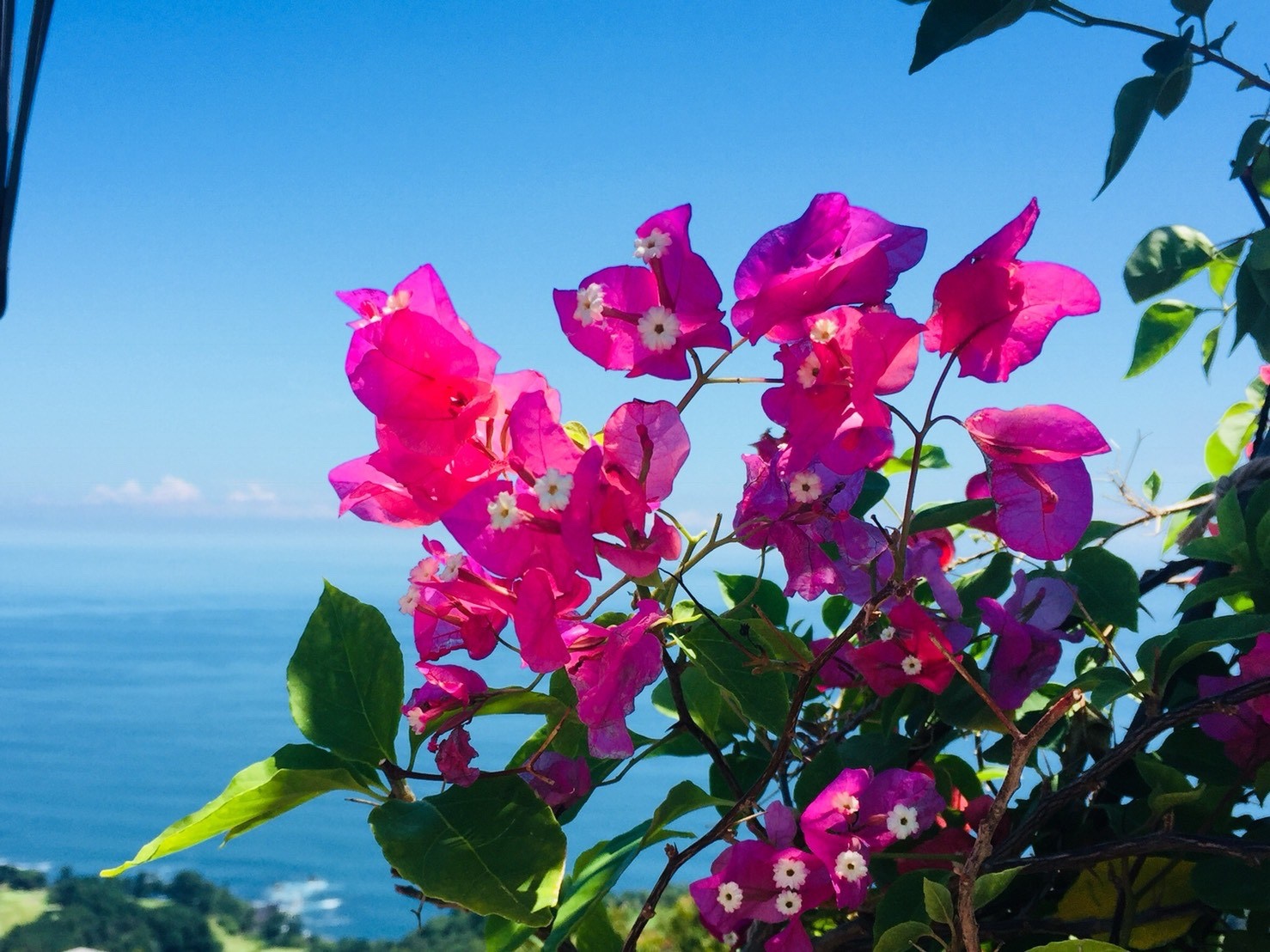
南方の 英霊達にと ブーゲンビリア

August 15th is the last day of the Bon Festival and is the anniversary of the end of the war. Workers start their work again after a long holiday, and pupils and students start to worry about their homework. We would like to say that the heat passed the peak , but next week it seems that the hottest days will continue this summer. Aside from that, since 83.6% of Japan’s current population is “born after the war” and 26.5% are “born in Heisei era,” the way they think about war will change. The current state of the world is another situation that could lead to World War III. To that end, I think it’s time to seriously consider what the Japanese Constitution should be.

8月15日はお盆最後の日であり、終戦記念日です。勤め人は長い盆休みも終わってまた仕事が始まり、生徒や学生達はたまった宿題が気になり始めます。暑さも峠を越したと言いたいところですが、来週はこの夏で一番暑い日が続くそうだとか。それはさておき、今の日本の人口の83.6%が「戦後生まれ」。その内26.5%が「平成生まれ」というからは、終戦記念日ひいては戦争に対する受け止め方も変わります。世界の現状はまたまた第三次世界大戦に発展しかねない状況です。その為には日本国憲法のあり方を真剣に考える時期だと思います。