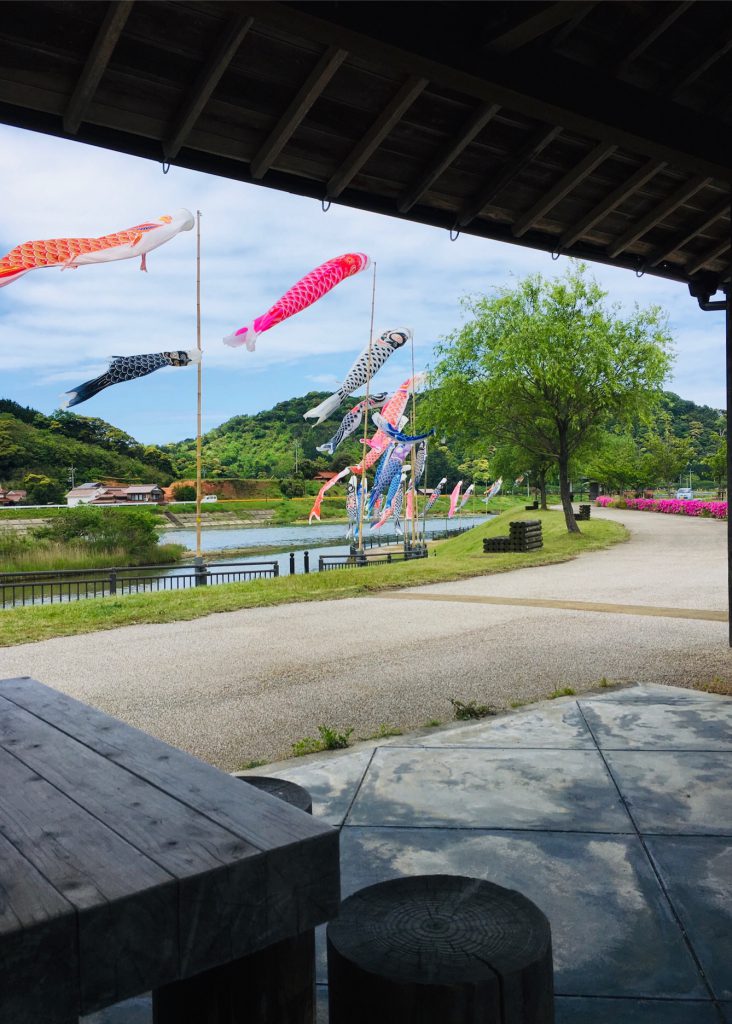
川風に 夏日も涼し 鯉のぼり

Recently, summer days with temperatures above 25 ° continue. On the river in front of the tea shop where we dropped a little, many carp streamers are swimming coolly in response to the wind of May. Today is the Children’s Day, which is Tango no sekku. The soft-serve ice cream shop and the octopus grill shop, which are normally crowded, have closed the shop. When I ordered Warabi Mochi for hot coffee, the storepeople was laughing.

このところ気温25℃をこす夏日が続いています。ちょっと立ち寄った茶店の前の川筋には沢山の鯉のぼりが、5月の風を受けて涼しげに泳いでいます。今日は端午の節句、「子供の日」だと言うのに子供は疎か、人影もありません。普段なら賑わうソフトクリーム屋さんも、タコ焼き屋さんも店を畳んでいます。わらび餅にホットコーヒーを頼んだら、店員さんが笑っていました。
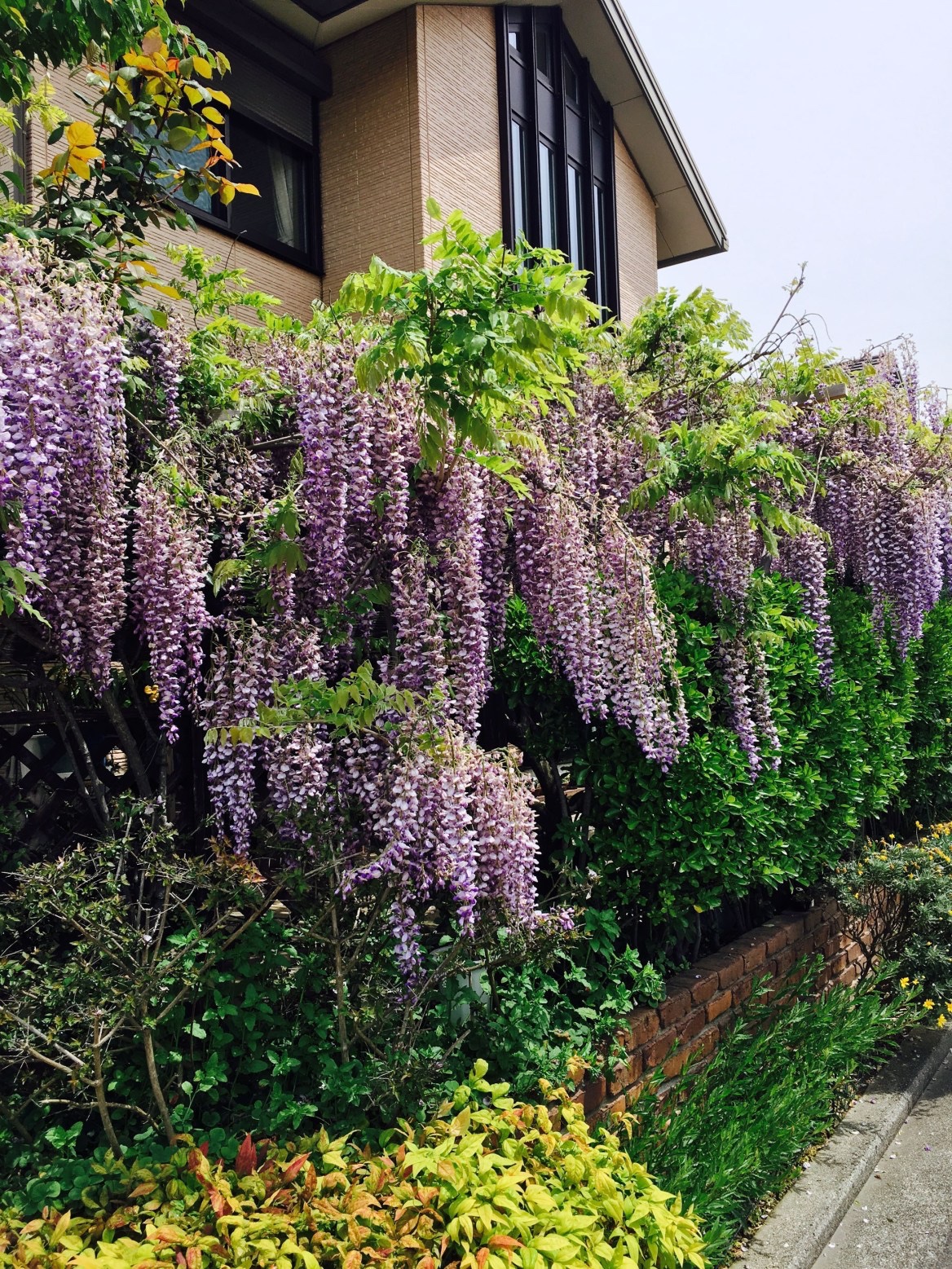
房房と 佳客を待つや 藤の花

The neat and gorgeous and beautiful wisteria flowers have long attracted and been loved by many people. There are many poems in the Manyoshu that composed about wisteria flowers. And the name of the woman who the main character of “Genji Monogatari”, Hikarugenji, loved first was also “Fujitsubo (wisterias vase)”. Furthermore wisteria flowers have been seen as a symbol of women, because when they bloom and hang down, they look like “furisode”. The word “good guest” is also a wisteria flower word that was created from the image of a kimono woman welcoming guests. Furthermore, since the sound of the word “Fuji” can be heard as “immortal”, it has long been regarded as a lucky flower, and its purple color has been treated as the most noble color.

清楚でありながら華やかで美しい藤の花は昔から多くの人たちを魅了し、愛されてきました。万葉集にも、藤のことを歌った歌が多く記されていますし、「源氏物語」の主人公、光源氏の初恋の女性の名前も「藤壺」です。また、藤の花は、垂れ下がりながら咲く姿がまるで「振袖」のように見えることから、藤は女性の象徴ともされてきました。「佳客」と言う言葉も、客を出迎える振袖女性のイメージからつけられた藤の花言葉です。更に「フジ」の言葉の響きが「不死」とも聞こえることから、古くから縁起の良い花とされ、その紫色は最も高貴な色として扱われてきました。

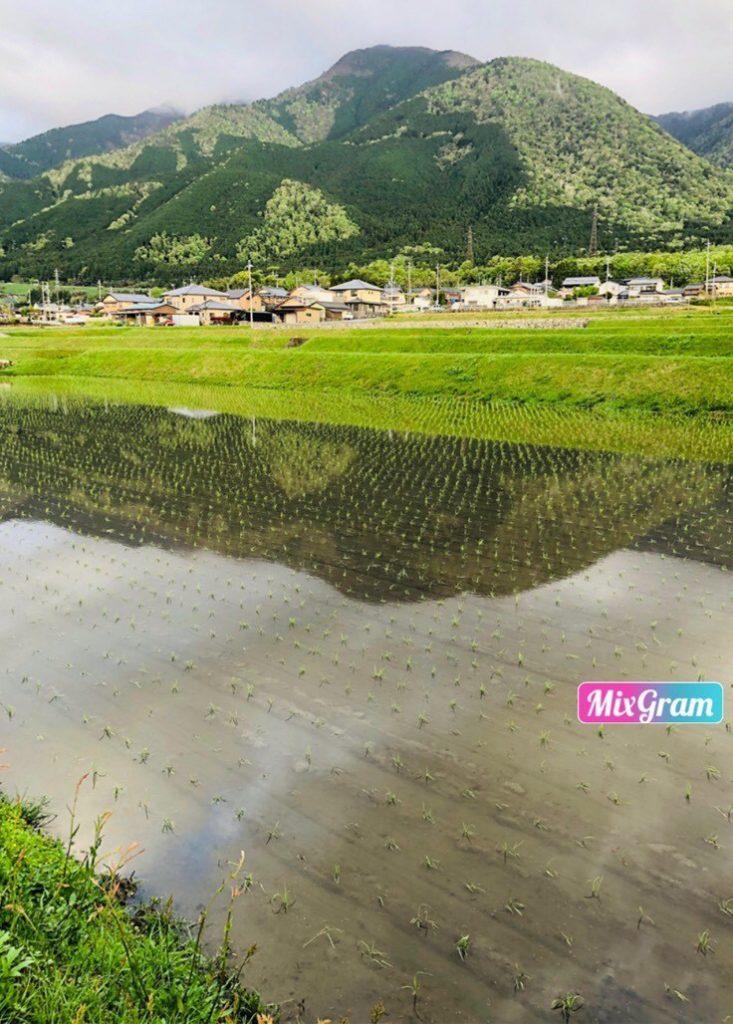
蓬莱の 山を映して 初蛙

Mt. Horai seen from Shiga, located in the northernmost part of Otsu City in Shiga Pre., is one of the three hundred famous mountains in Japan. Suddenly over 1000m from the west coast of Lake Biwa, the mountain shape is truly magnificent and so bears the name of Horai. Hourai means the place where the hermit lives, Sennin-go, and this Mt. Hourai, and the inner part of the Mt. Bunagatake belongs to the Hira Mountains, and is also known as a mountain for the mountaineering ascetic. The winter is deep with snow and the mountaintop is crowded with skiers. Now the rice planting is over and the frogs are booming.

滋賀県大津市の最北端に位置する志賀町から見る蓬莱山は日本三百名山に数えらています。琵琶湖西岸からいきなり1000mを越す山容は実に雄大で、蓬莱の名が冠せられました。蓬莱とは仙人の住む所、仙人郷と言う意味で、この蓬莱山、更に奥の武奈ケ岳一体は比良山系に属し、修験者の山としても知られています。冬は雪深く、山頂はスキー客で賑わいます。今はもう田植えも終わり、蛙が盛んに鳴いています。

ノクターンも 今日は寂しい 若葉道

♪♪♪ ノクターン No.21 ♪♪♪

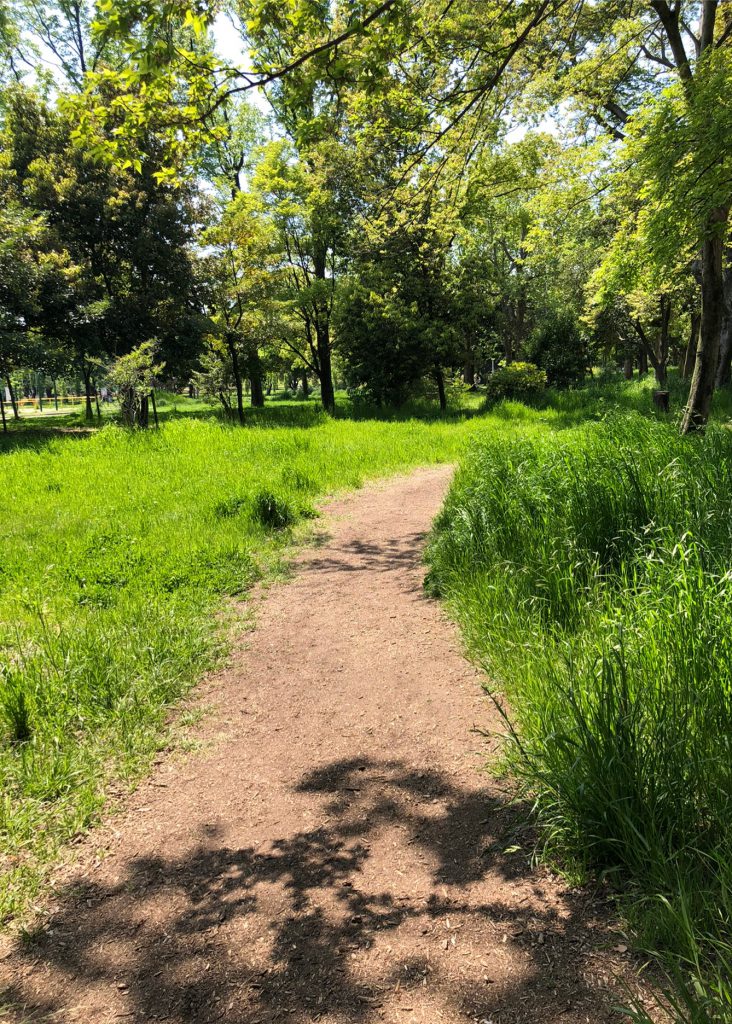
Today, the temperature has exceeded 25 ° for the first time this year. It’s “summer day”. Perhaps because of the temperature, or because it was just lunch time, there were only a few people who passed each other, and Nocturne No. 21 hearing from the smartphone sounded particularly lonely. Only the young leaves of the trees and the green undergrowth stand out. It is shown on TV that even though it is a golden week, there are few passengers on the Shinkansen and airplanes and are few cars on the expressway. Perhaps we are spending days recorded in history.

今日は今年初めて気温25°を越しました。夏日です。いつもの散歩道は、そのせいか、それとも丁度お昼時だったからか、すれ違った人もほんの数人で、スマホから流れてくる ノクターンの21番も格別寂しく聞こえました。木々の若葉や緑色に輝く下草だけが目立ちます。テレビでは、ゴールデンウィークだというのに、新幹線や飛行機の客はほとんどなく、閑散とした高速道路が映し出されています。多分、私達は歴史に残る様な日々を送っているのです。

メーデーの 日も懐かしき 皐月かな

Today is May 1st, and finally May. May 1st is May Day. “Mayday” also has changed a lot. Originally a “celebration of the arrival of summer”, it changed to “an event that asserts the rights of workers” in Japan, emphasizing socialist assertions and becoming a politically strong festival. Seventy-five years after the war, the working environment has changed completely with changes in society, and many people don’t know that today is “Mayday”. However, there should still be also many people who make their lives duplicate and miss.

今日は5月1日、いよいよ5月です。5月1日と言えば「メーデー」です。「メーデー」もずいぶん様変わりしました。元来は「夏の到来を祝うお祭り」だったものが、日本では「労働者の権利を主張するイベント」に変化し、社会主義的主張が強調され、政治色の強い祭典になりました。戦後75年、労働環境も社会の変化とともにすっかり変わり、今日が「メーデー」だと言うことを知らない人達も多くなりました。しかし、自分の人生にダブらせ、懐かしむ人達もまだ多くいるはずです。

陽は高く あすなき春の 紫蘭かな

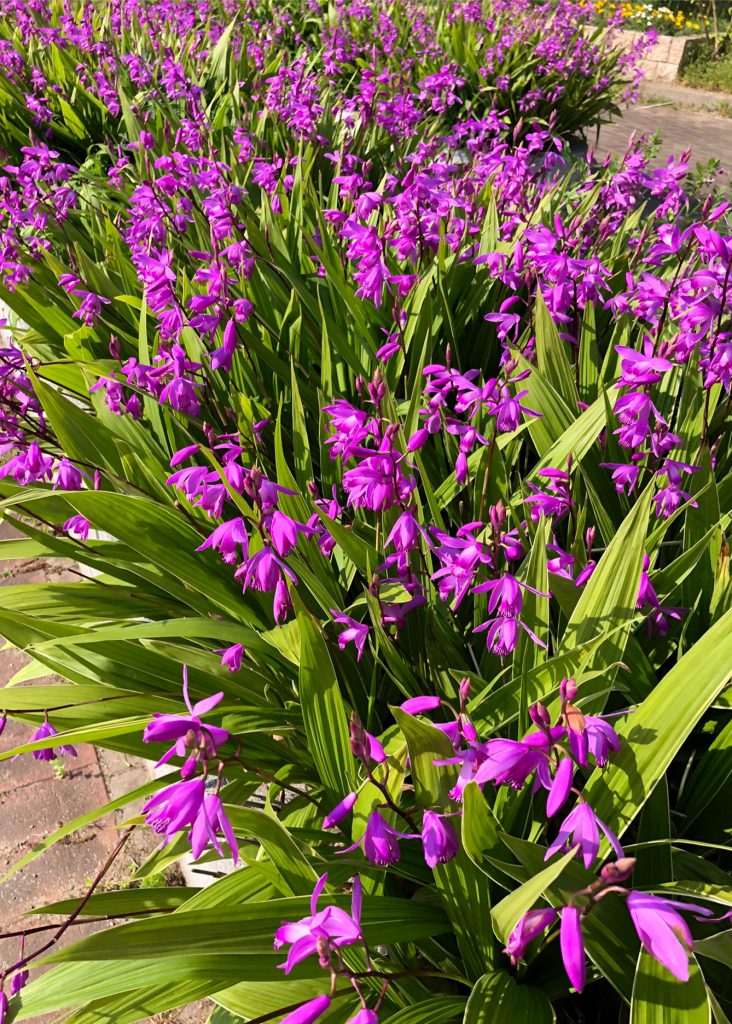
In the afternoon, when walking along the promenade along the river, a group of purple orchids are shining brightly. The appearance in repelling the shining light makes me feel not only the beautiful but also the strength that can not be thought of as an orchid. I’ve been chasing the plums, chasing the cherry blossoms, and the spring flowers that bloom one after another, but April is about to be over. I am grateful to the flowers for having given me the joy of regeneration and for giving me the courage against the scorching hot of summer ahead.

昼下がり、川沿いの遊歩道を歩いていると、一群れの紫蘭がキラキラと輝いています。強くなった陽の光を撥ね返すその姿に、美しさと同時に蘭とは思えない力強さを感じます。梅を追いかけ、桜を追いかけ、次から次へと咲き出す春の花々を巡ってきましたが、もう四月もお終いです。再生の喜びと、この先に待ち構えている猛暑に備える勇気を与えてくれる花々に感謝です。因みに、「あすなき春」とは「翌なき春」とも書き、四月の終わりを言います。

熊野古道 信達の宿は 藤盛り

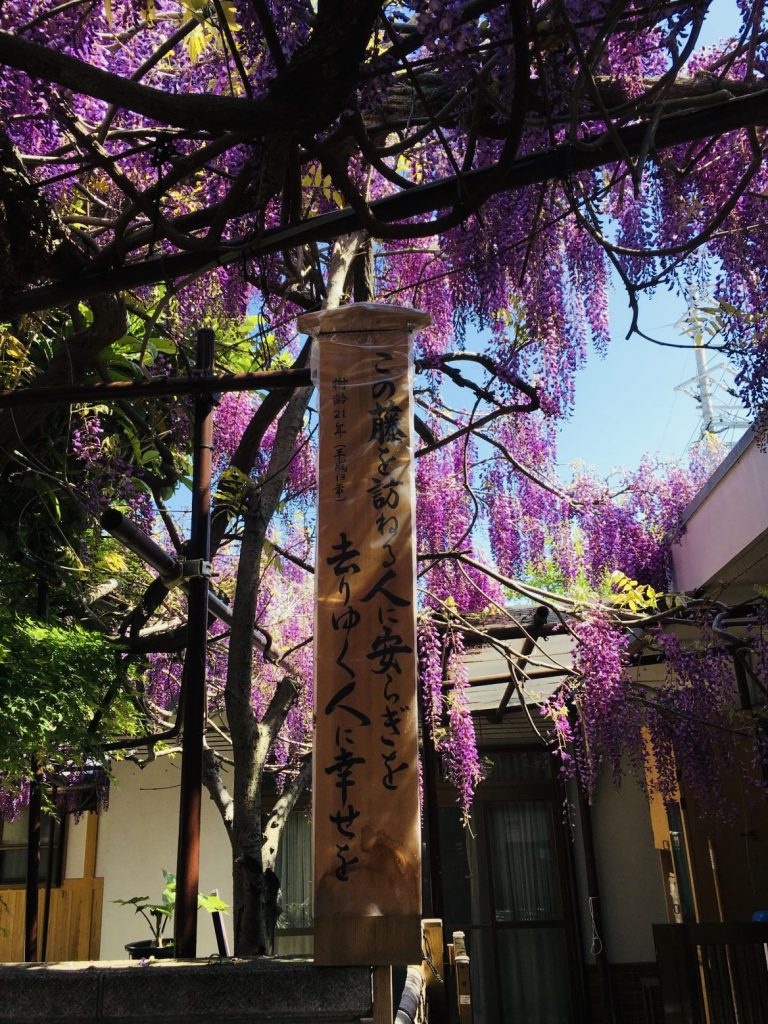
Shindachi in Sennan city in the southern part of Osaka was once a post town on the Kumano-highway. The old house Kajimoto House is located on the highway that still retains the old streetscape. Inside the mansion, there is the famous Noda Wisteria, which is is over 40 years old and has 40,000 flower clusters on only one tree. In April when the wisteria is in full bloom, it will be open to the public and the “Wisteria Festival” will be held. During the festival, an observatory stand is set up next to the wisteria trellis, and the wisteria flowers that spread under the eyes are like a purple sea of clouds. Unfortunately the “WisteriaFestival” was canceled this year, but Noda Wisteria is even better than usual.

大阪の南にある泉南市信達はその昔、熊野街道の宿場町でした。今も古い街並みが残るその街道筋に旧家の梶本邸があって、屋敷内には毎年4万房もの花房を付ける樹齢40年を超える1本の野田藤があります。藤が満開になる4月には一般に公開され、「ふじ祭り」が開催されます。祭りの期間中は、藤棚のそばに観賞台が設置され、そこから見る藤はまるで紫の雲海のようで圧巻です。今年は生憎「ふじ祭り」は中止されましたが、野田藤は例年にも増して見事です。

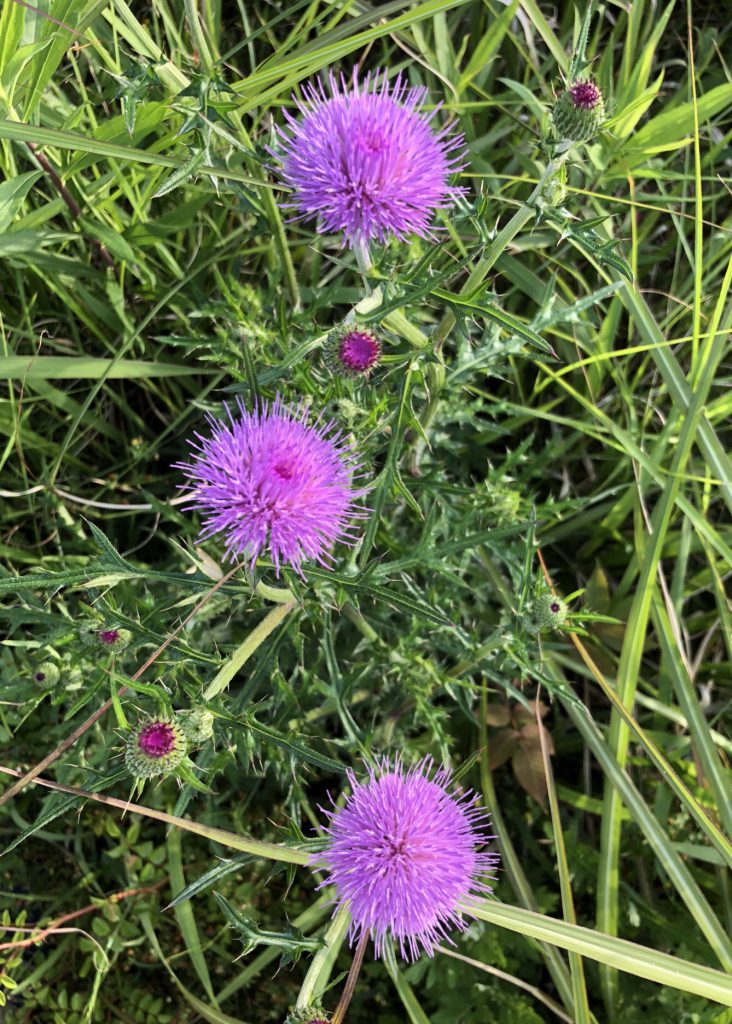
あざみ咲き スマホで聞くや ニニロッソ

♪♪♪ あざみの歌 ♪♪♪

“Azami no Uta” was first broadcast in 1949 as NHK’s “Radio Kayo (the Song for Raido).” In 1951, Hisao Ito made a record and became a huge hit, and became “Kokumin Kayo (the Song for Public).” The lyrics were written by Hiroshi Yokoi, who was 18 years old when he returned to Japan in 1945, at the Yashima Plateau in Shimosuwa, where he was living. The music was composed by Hideaki Yasu, also known as “Sakuragai-no-uta”. A monument to this song is built on the Yashima Plateau in Kirigamine. Nini Rosso being famous as trumpet player liked this song very much and played it immediately.

『あざみの歌』は最初、1949年にNHKの「ラジオ歌謡」として放送されました。2年後の1951年に伊東久雄がレコード化して大ヒット、「国民歌謡」になりました。作詞は、昭和20年(1945)に復員してきた当時18歳の横井弘が、疎開先の下諏訪の八島高原で、野に咲くアザミの花にみずから思い抱く理想の女性の姿をだぶらせて綴ったそうです。その詞に『さくら貝の歌』でも知られる八洲秀章が作曲しました。霧ヶ峰の八島高原には、この歌の歌碑が建っています。トランペット演奏は言わずと知れたニニ・ロッソ。この曲がいたく気に入り、即座に演奏したそうです。

異国から 春眠破る ケーナの音

I received a message from a foreign friend on Facebook while sleeping in the morning. It is a music video with a message of “Good morning” when I open it. I woke up at once. A Facebook friend from Brazil sent me a video message of Kena music. “Good morning” when you open it with a drowsy eye. It was a beautiful music and my drowsiness was blown away at once. Now it has changed into such an era. Everything is globalized, and voices, photos, and videos arrive instantly. Half of my Facebook friends are also foreigners. On the other hand, the infectious disease of coronavirus spreads to the world in an instant too. Such as this, there are many aspects in which human consciousness does not keep up with the changes of the times.

ブラジルのFacebook の友達からケーナの動画メッセージが送られてきました。寝ぼけ眼でそれを開くと「Good morning」。美しい曲で、眠気がいっぺんに吹き飛んでしまいました。今はこう言う時代なんですね。何もかもがグローバル化して、しかも瞬時にして声も写真も動画も届く。Facebook のお友達も半分は外国人です。反面、コロナウィルスの感染症も瞬く内に世界に広まる。どうも人間の意識が時代の変化に対応し切れていない面も多々ありますね。

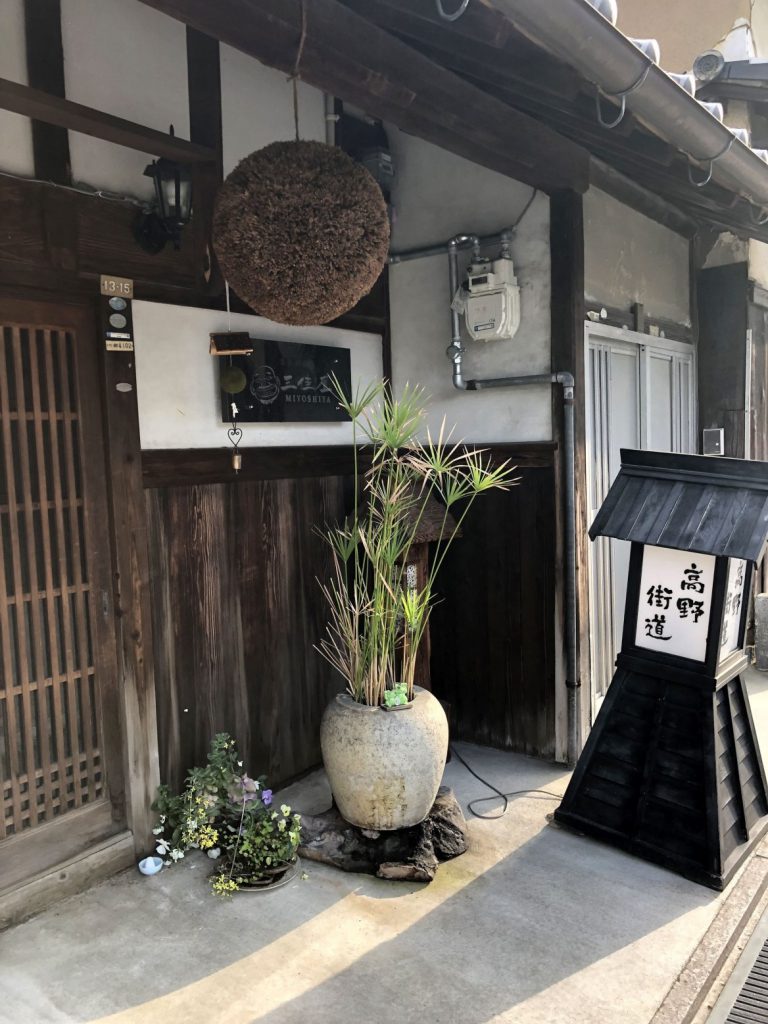
侘しくも 春陽は沈む 高野道

Koyasan, a sacred place opened by Kobo Daishi Kukai, has been gathering the faith of many people for about 1200 years. The highway for visiting Koyasan has been gradually improved since the Heian era, and several highways in Osaka Prefecture merged near Kawachinagano, and eventually became known as the “Koya Highway.” During the Edo period, the Koyasan pilgrimage became a big boom, and a post town was formed along the way, and it became the standard practice to give the various kinds of rice balls, steamed buns and rice cakes to the pilgrims.

弘法大師空海が開いた霊場高野山は、現在に至るまで約1200年間、多くの人達の信仰を集め続けています。高野山参りの街道は平安時代以来徐々に整備され、大阪府下にいくつもあった街道が河内長野付近でひとつに合流し、いつしか「高野街道」と呼ばれるようになりました。江戸時代には高野山詣りは一大ブームになり、道中には宿場町が形成され、村々でおにぎりやお饅頭、お餅などさまざまな施しをいただきながら参詣することが定番になりました。