A large chicken head that is about the height of a person protrudes into the road. It is as if the face of the person passing the road is being authenticated.
Kokia on the shore of Lake Kawaguchi in the foot of Mt.Fuji has turned red. Kokia is known by the Japanese name as broom tree or broom grass. Kokia is actually dried and used on the broom. It is green from spring to summer, but turns red in the fall.
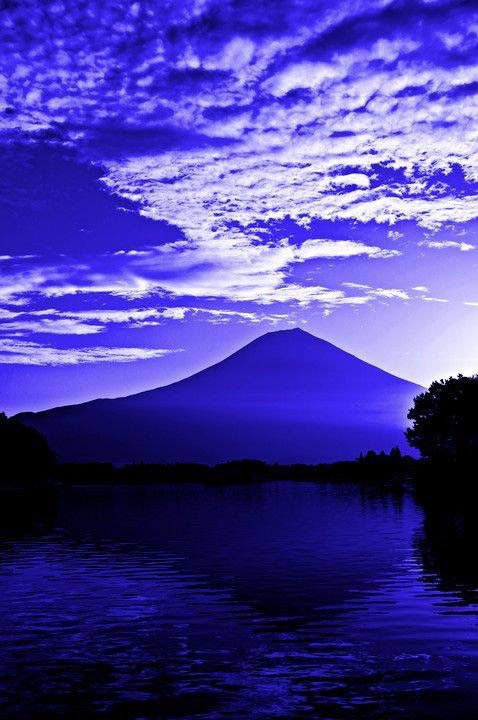
It is the first snow of Mt.Fuji in the 1st year of Reiwa era. It is a beautiful figure suitable for the new era. I am confident that this is a peaceful and productive era.
The Shimanto River is one of Japan’s leading clear streams. The river is full of fish that can only be found in the clear stream. The autumn flowers are in full bloom around the river. I can hear the temple bell from a distance in the clear air.
The rushing trees are already starting to drop leaves. There are also leaves that scatter even by the sound of temple bells telling pm 6. It is a scene that makes me feel the sense of transience of life.
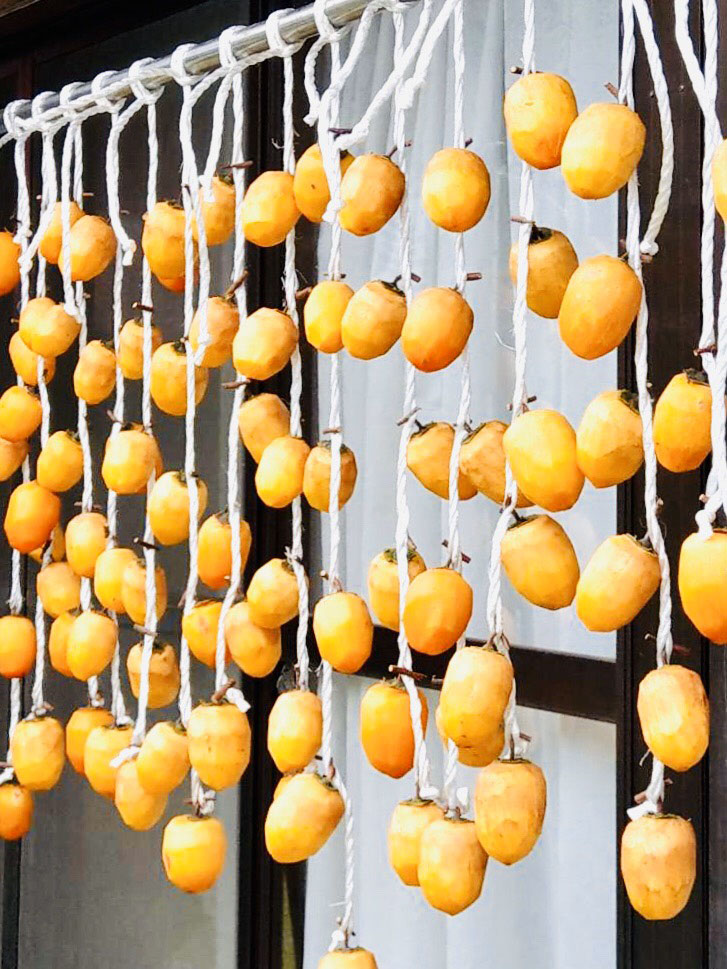
There are two kinds of persimmons: sweet persimmons and astringent persimmons. Sweet persimmons can be eaten immediately, but bitter persimmons are not. If these are put on a string and dried for a while, they are about 1.5 times sweeter than sweet persimmons.
Nariai-ji temple is the 28th temple in the Saigoku 33 Kannon Pilgrimage. It stands on the mountainside overlooking the “Amanohashidate” facing the Sea of Japan in northern Kyoto. A pilgrim is singing Goeika, Buddhist hymn, in the autumn breeze that carries the sound of the waves.
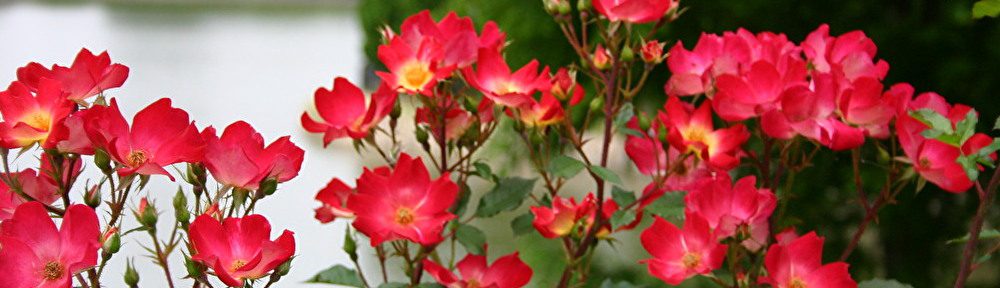
Slightly remaining roses keep the elegance while releasing the fragrance. They have no splendor like spring and wait only to scattered. It is the same as human fate. The only difference is that they can regenerate.