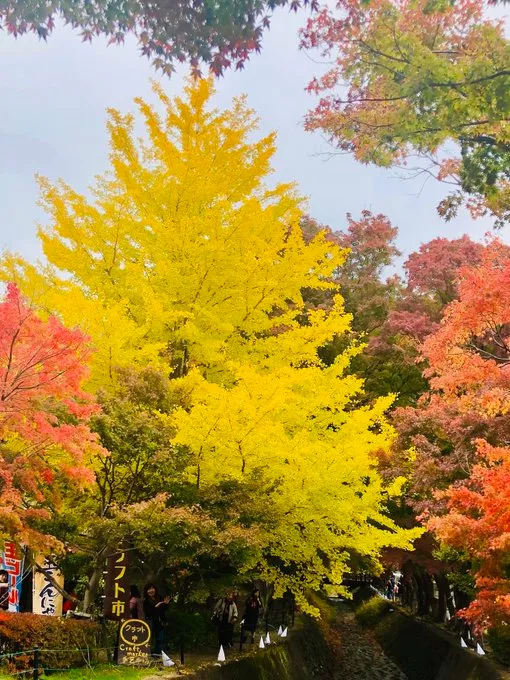
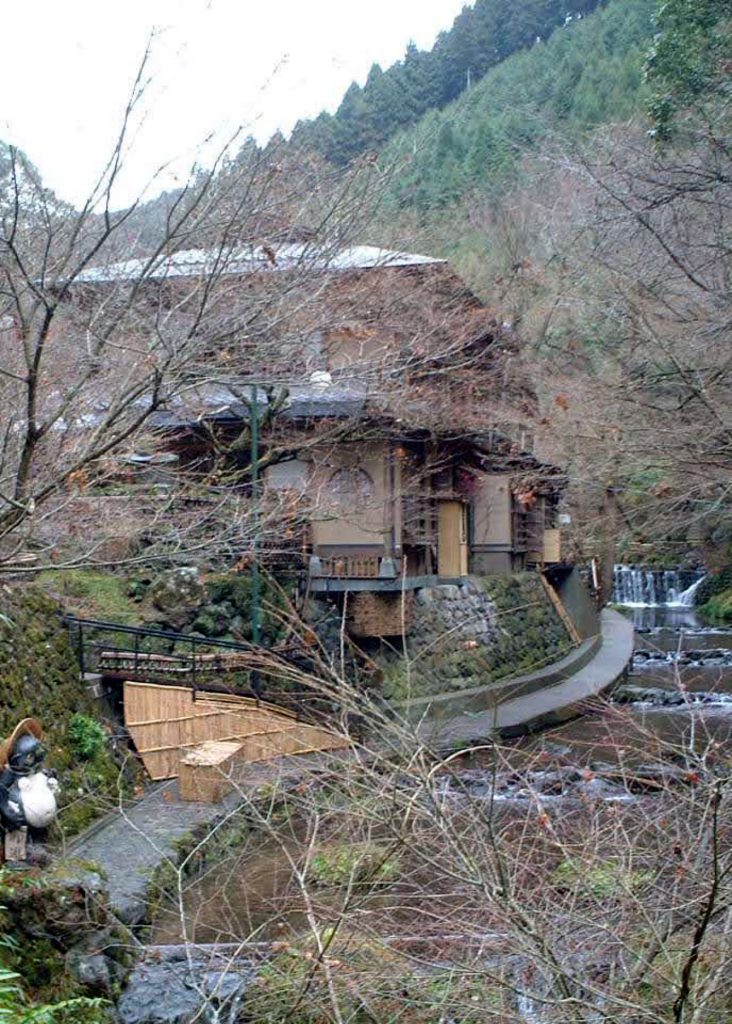
I went to a nearby temple while the autumn weather continued. When I finish my visit and go down the pilgrimage route along the waterway, the autumn leaves colored with yellow and red leaves spread throughout the space around us. Even though it is a natural beauty, I’m just breathless with the beauty. It is a landscape like a drop curtain that is suitable for ending the year after spring and summer.
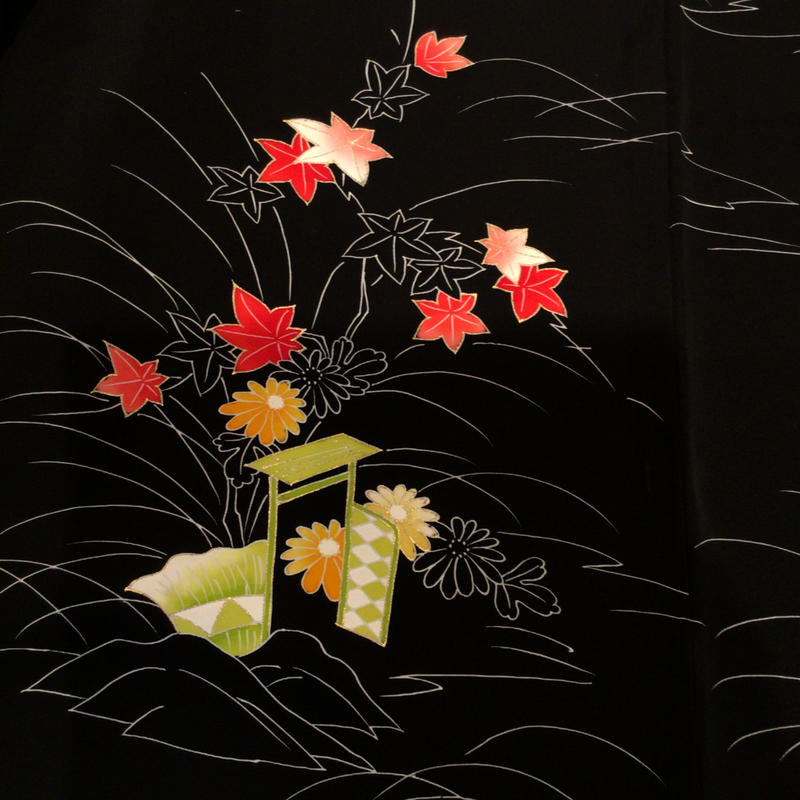
The word “kimono” is accepted worldwide as the international word “kimono”. In modern Japan, the number of opportunities to wear kimono may be very limited, such as coming-of-age ceremonies, receptions, and fireworks displays. However, kimono is one of the world-class “traditional cultures of Japan” that has been passed down and nurtured over a long history. There are various types of kimono, and silk fabrics are used for most of the fabrics, but there are also cotton, linen, etc. in addition to silk. Even if silk is taken up, various techniques such as rinzu, crest design, crepe, roast, and gauze have been created depending on the weaving method. And Nishijin-ori, Kyo-yuzen, Kaga-yuzen, Oshima tsumugi, Honbakihachi, etc. were woven from the materials, and kimono and obi as works of art were created. Amid internationalization, kimono culture is spreading all over the world through foreigners visiting Japan.
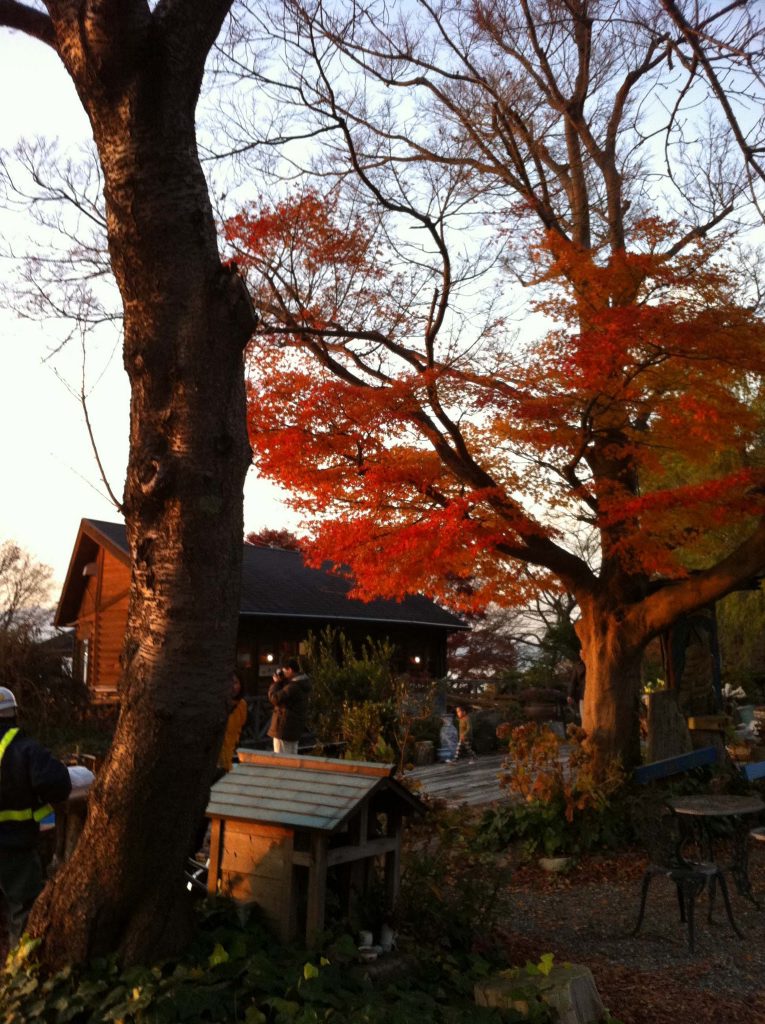
The setting sun is about to set on Mt. Hiei on the opposite bank of Lake Biwa. The evening light that arrives from there is dying the trees of the cafe “Chale Mizugahama” in Omihachiman even more red. A lot of people are gathering around the log house building to see this beautiful sight. The location from the terrace seats in the store is excellent, there is nothing blocking in front of me , and the magnificent Lake Biwa spreads out. A line of light from Mt. Hiei continues to this point. In a comfortable space with a feeling of openness and warmth, when I sip coffee made with natural groundwater and my heart will dance in the air.
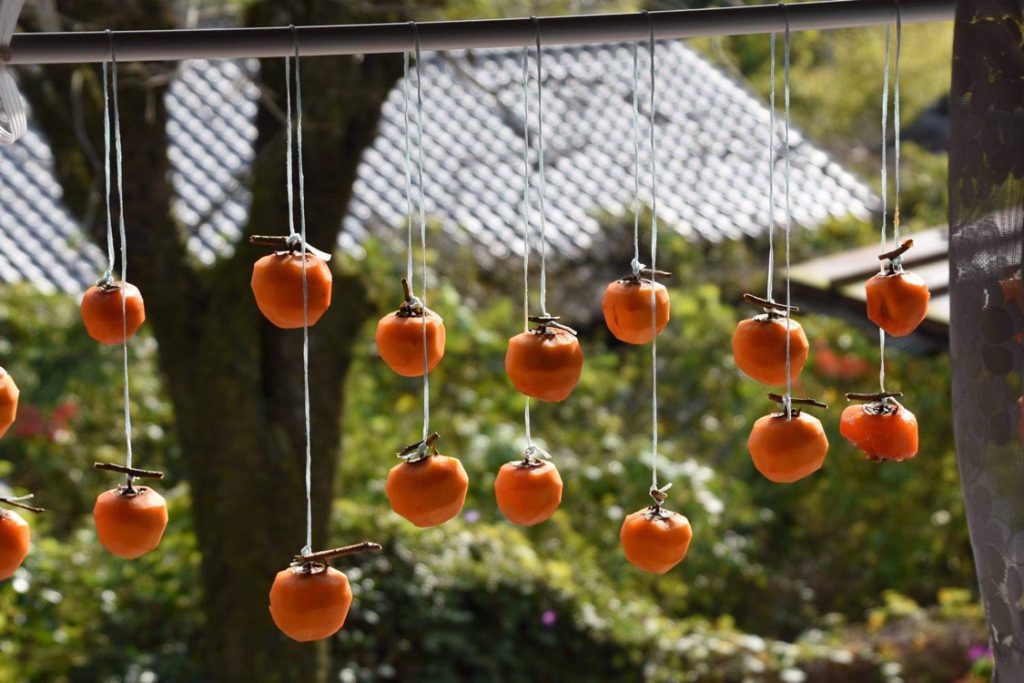
The hanging persimmons must have become quite sweet, because there are traces of birds biting. Birds know about it well and don’t get close to the astringent persimmons, but as soon as it gets a little sweeter, the birds gather. I often see brass and charcoal hanging instruments, but when I was looking at the hanging persimmons, I was reminded of such instruments. If you hit it, the song “Sato no Aki” may be played. If I don’t bring it in early, the birds may eat it up in a blink of an eye. Apply shochu to the persimmons I have taken in and let them dry, and I’m done with Anpo-gaki.
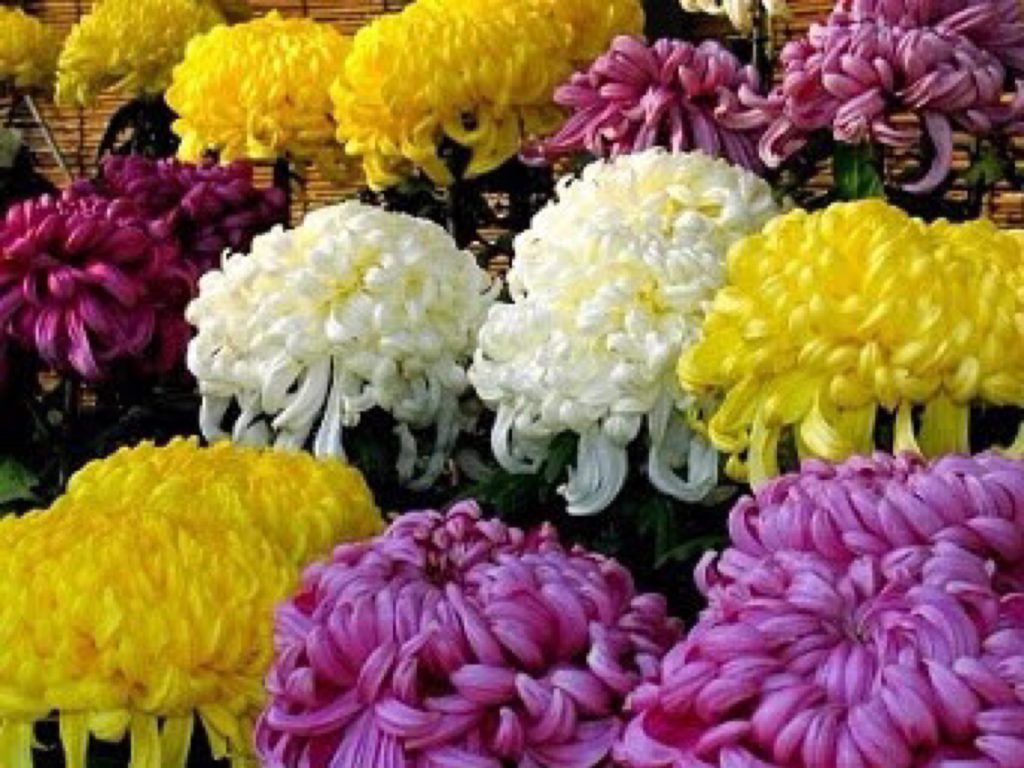
The chrysanthemums exhibition, which was canceled last year, was held for the first time in two years. There is a way to say “waiting for a good opportunity for two years”, but it must have been a long-awaited two years for chrysanthemum lovers. Stunning chrysanthemums with great care, such as three-tiered tailoring, cliff making, and daruma making, are on display. The chrysanthemum, which symbolizes autumn in Japan as opposed to the cherry blossoms in spring, began to attract attention at the beginning of the Kamakura period, when Emperor Go-Toba liked the design of chrysanthemum flowers and made the “chrysanthemum crest” the family crest of the imperial family. The breeding of chrysanthemums began at once from the Edo period, and at the end of the Tokugawa shogunate, they were reimported to China, the head family, and changed the situation of chrysanthemums in China. Also, even in Europe, which was not very popular at first, a British plant hunter, Robert Fortune, who visited Japan at the end of the Edo period, brought back Japanese chrysanthemums to his home country and quickly spread all over Europe.
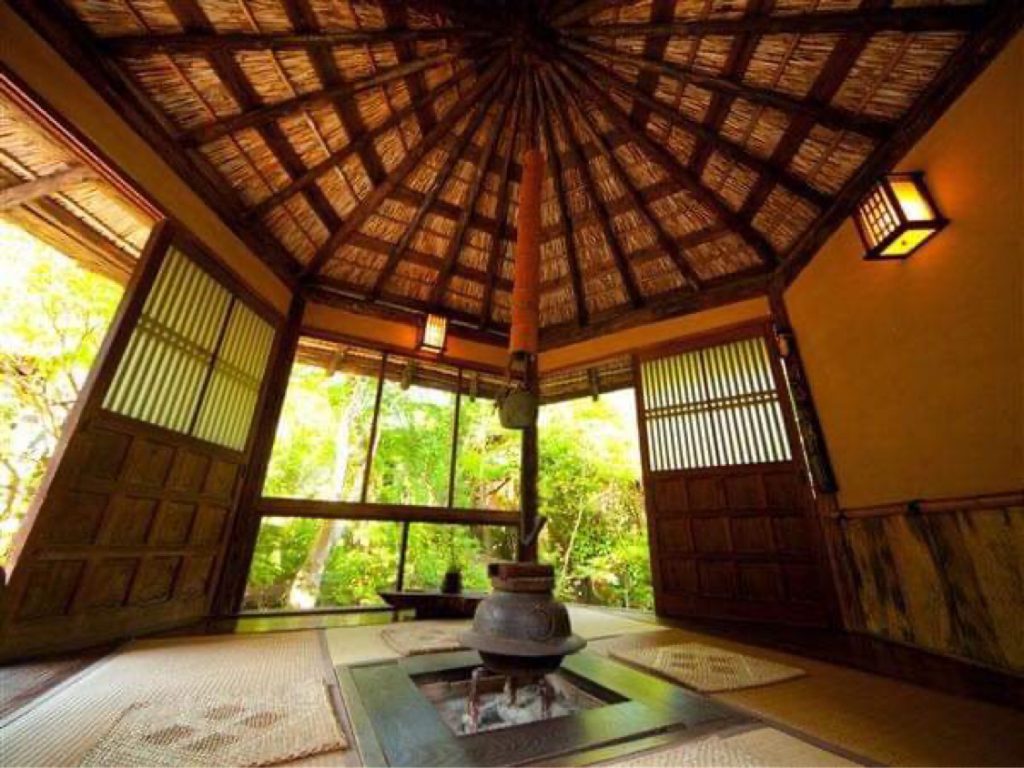
After bathing in the hot springs, I’m relaxing at the hexagonal hall with a hearth. A cool autumn breeze is blowing from the opened shoji. Of course, there is no fire in the hearth. Even in late autumn, the temperature is over 20 degrees Celsius, and the feeling of the seasons is mixed. By the way, the 26th Conference of the Parties to the United Nations Framework Convention on Climate Change (COP26) was held in Glasgow, England from October 31st, and discussions are being held to strengthen global warming countermeasures. If nothing is done, the risk of abnormal weather and sea level rise will increase further, so the focus is on whether each country can cooperate so that the global temperature rise from the latter half of the 19th century can be suppressed to 1.5 degrees Celsius. Prime Minister Kishida, who had just taken office from Japan, also left for England on the morning of the 2nd. I want him to disseminate Japan’s strong leadership to the world.
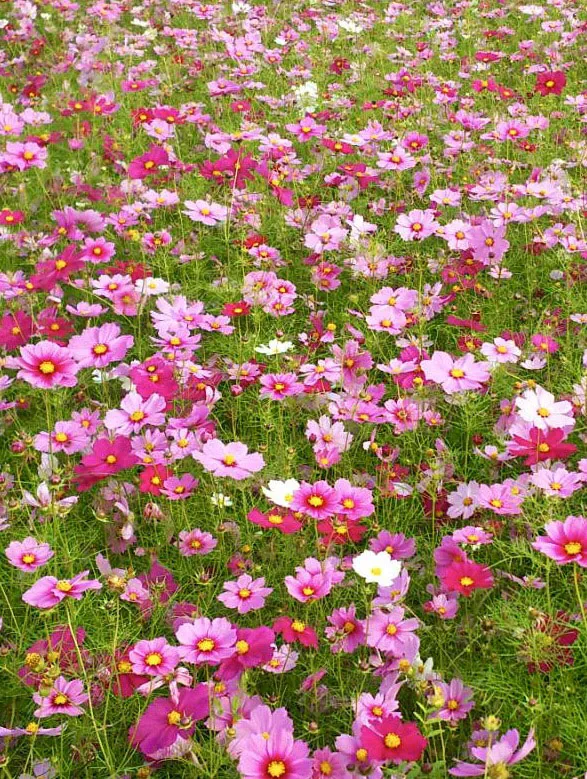
The fallow field that I visited for the first time in a long time has been transformed into a splendid cosmos field. It’s a sunny place, so it’s still in full bloom. Recently, there are many places where these fallow fields have become popular as flower fields. It’s great for flower lovers, but it’s also a little worrisome. I’m not sure about agricultural terms. The area of abandoned cultivated land in Japan was flat at about 130,000 ha until 1985, but began to increase after 1990, and in 2005, it was 386,000, which is 1.8 times the area of Tokyo. It seems that there are various debates about its utilization, but from the viewpoint of agricultural security, it seems that agricultural land must cultivate the original crops and stabilize food. It seems to be quite difficult due to various problems, but considering climate change and international affairs, I am worried.
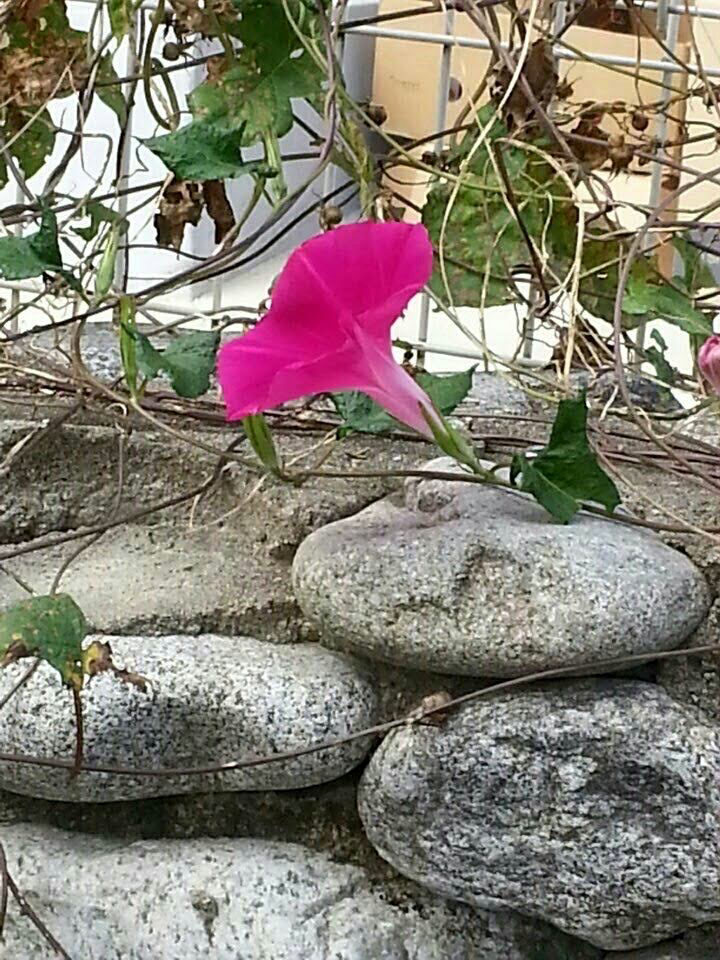
The leaves are wilting and some are withering, but a single red Asagao(morning glory) is blooming as if leaning against a stone. “Asagao” is an autumn season word, but it is cool quickly and there is no momentum anymore. Speaking of Asagao, it is a flower that is so familiar that everyone knows it, but surprisingly the details are unknown. From a global perspective, no other horticultural plant has changed its morphology as much as the Asagao, and most of its mutations were born in the Edo period. Some of the most mutated ones were unable to produce seeds, and Edo period enthusiasts used genetic techniques to create a wide variety of morning glories. People in the Edo period knew Mendel’s laws empirically. In addition to Asagao, there are plants called Hirugao(day glory), Yugao(evening glory), and Yorugao(night glory). Since it blooms similar flowers in the morning, noon, evening, and night, each name is given, but only the Yugao is an out-of-group flower. Yugao is a flower of the Cucurbitaceae family, and “Kanpyo”, which is also found in sushi ingredients, is a roll of Yugao fruit.
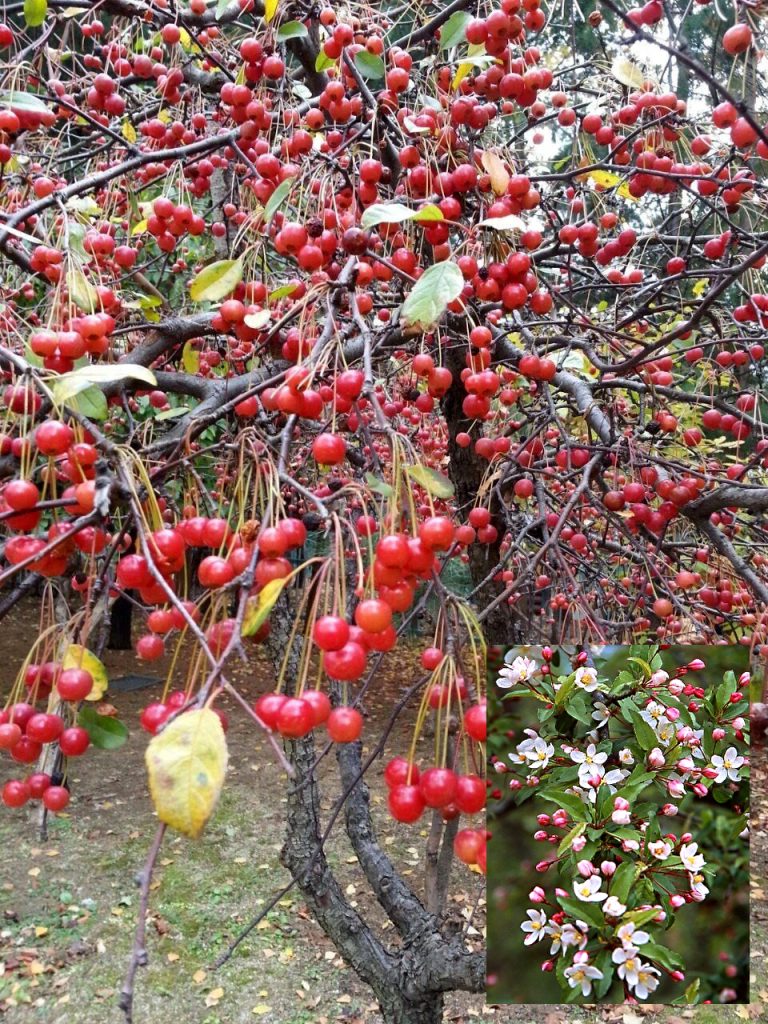
On the way home after the light mountain climbing, there is a tree that is about twice as tall as the height of my height, which is full of red fruits. If you take a closer look, you will see a small apple-like fruit in the shape of a bell. Immediately take a picture with my smartphone and check it with Google Lens, it says “Zumi”. From April to June, flowers that look exactly like apples bloom, and it seems that they will bear fruit by this time. “桷” is also written as “酸実”, and when the fruit is ripe, it has a strong acidity, but when it frosts, it has a slight sweetness. And so when I put it in my mouth and chew it, it was sour and sour, and I spit it out of my mouth. However, it seems that it becomes sweeter when it is more ripe, and it can be jammed. Also, it seems that yellow dye can be produced from the bark, so it was a great learning experience.
It’s been a month since the state of emergency was lifted. I went to a nearby cafeteria for the first time in a long time. It was past the time of meal, but there are quite a few customers. There are still panels that separate the customer’s seats, but I don’t really care because I’m used to it. When I finish my meal and go to the counter where I pay the fee, I found that beautiful cut flowers are displayed. I forgot to pay the fee and took some pictures with my smartphone. During that time, I noticed a clerk who was out of the kitchen and waiting for payment, and when I said “I’m sorry”, he answered, “It’s okay. I’m glad you like it.” What a heartwarming moment! The food was delicious. The flowers were also good. And above all, I was happy with the warm words of the clerk. Today was the luckiest day of October.